“Frida Kahlo: Art, Garden, Life”
Adriana Zavala, guest curator, qualified Kahlo’s home as an “extension of her personal cosmology,” saying, “There are still things to learn about Kahlo.”

Adriana Zavala, guest curator, qualified Kahlo’s home as an “extension of her personal cosmology,” saying, “There are still things to learn about Kahlo.”
Weider is preoccupied with an examination of domestic objects. Her visual terrain is repeatedly populated with diaristic contemplations of ordinary furniture: dressers, chairs, tables, beds.
“Art was all that I ever wanted to do,” said Ehrenhalt. For a girl born in 1928, it wasn’t going to be smooth sailing.
In the book, “Dorothea Lange: Grab a Hunk of Lightning,” Lange’s photography is presented with equal weight given to Lange’s intuitive eye for structure and composition, as well as to her burning commitment to social justice.
Art workers need to be remunerated in order to survive.
Marisol said, “I’ve always wanted to be free in my life and art. It’s as important to me as truth.”
By the age of twenty, Schiele had found his voice and personal style.
The Brooklyn Museum prides itself on being in touch with the borough’s wide-ranging neighborhoods.
The need for an ongoing “dual identity,” as a means of survival for the adult black male, is a theme that repeatedly manifests itself in Adams’s work.
“The work is a commentary on the age I have lived in. I am a documentarian, recording the critical moments of my life and those of society.”

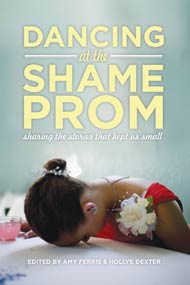
"The Jump Rope Line" by Marcia G. Yerman is included in the Seal Press anthology Dancing at the Shame Prom.
Published at: