Violence in the West Bank: Part 2-Sonia Marcus
Marcus stated, “I feel a personal responsibility. Never have I been so directly implicated. There is a personal connection.”

Marcus stated, “I feel a personal responsibility. Never have I been so directly implicated. There is a personal connection.”
I was sitting next to the woman who had given me (and a vast multitude of others) the courage to speak openly. From her, we learned that our reactions to the prevailing culture were not only not crazy — but that we weren’t the only ones who had noticed that something was clearly off. It was a validation that society at large hadn’t previously offered.
The authors realize they are on “sensitive” ground that puts them squarely in the middle of the most inflammatory issues of the day as they reference “antisemitism, the influence of Jewish and Israeli-American political donors, and the role of a country created in the aftermath of the Holocaust.”
Last week, several groups held online talks to bring attention to the horrific violence in the West Bank. Many organizations are currently organizing trips for activists to participate in “protective presence” during the fall olive harvest (October 15–20).
Standing Together leadership considers the most significant objective to be “getting out the vote in Palestinian sectors.”
Mosely is searching for answers about what is driving the behavior of Israeli Jews, and the now-widening divide between Jewish religious ethics and the conduct of the state of Israel.
Over two weeks ago, there was a national day of action by the DE-ICE Citizens Bank coalition, an alliance of over 100 grassroots groups active nationally. They coordinate peaceful demonstrations to pressure Citizens Bank...
Sifry affirms his commitment “to the concept of Zionism as a movement of Jewish national self-determination.” Nevertheless, he adds, “I deplore, however, the racist and militarist forms it has taken from early on.”
Going back to the reality of how Israelis and Jews around the world were raised, Wishnitzer said flatly, “We were the good guys, erasing everything that didn’t fit that narrative.”
My biggest takeaway was the constant reminder of the Indigenous lands on which Montreal was built and the efforts to educate the population and visitors about the history of those peoples. The recognition spanned the earliest days of colonization through the abuse by the Canadian government in the 20th century.

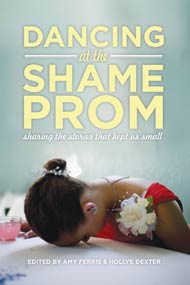
"The Jump Rope Line" by Marcia G. Yerman is included in the Seal Press anthology Dancing at the Shame Prom.
Published at: