Kate Nace Day: Human Trafficking Activist
Under our national law, anyone under the age of 18 who is sold for sex is a trafficking victim. Consent is irrelevant. But in many states, prostituted children are still arrested and treated as criminals.

Under our national law, anyone under the age of 18 who is sold for sex is a trafficking victim. Consent is irrelevant. But in many states, prostituted children are still arrested and treated as criminals.
Girl Be Heard (originally known as the Project Girl Performance Collective) is a not-for-profit theater group that is the brainchild of Ashley Marinaccio, Artistic Director, and Jessica Greer Morris, Executive Director. They have melded...
The 2012 Film Forum: Fighting Trafficking through Film was held to harness the visceral power of film to illuminate the issues of commercial sexual exploitation and modern-day slavery.
Girls Like Us presents a dual story thread. One is Lloyd’s personal narrative; the other is a primer on what trafficked American girls are up against.
The story’s trajectory follows Kathryn Bokovac from her discovery of trafficking corruption, complicity, and cover-ups through her efforts to report her findings—despite files of evidence disappearing and witness tampering.
On the buying of sex, Sakow said, “Where there’s men, there’s trafficking. It has nothing to do with religion.”
Client 9 delves into an interesting set of circumstances. However, it is not built upon the questions that I brought to the film.
Most of the local news stories gave little to no insight to the aspects of human trafficking apparent in this case, nor the prevalence of this activity on New York City streets.
Madeleine Albright’s most arresting comment was the analogy, “Women in a country are like the canary in the coal mine.”
As Matthews repeatedly called him “Governor,” I wondered what the exact protocol was for retaining your title even after you have resigned in disgrace.

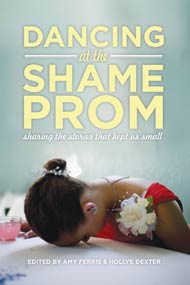
"The Jump Rope Line" by Marcia G. Yerman is included in the Seal Press anthology Dancing at the Shame Prom.
Published at: