Degenerate Art: The Attack on Modern Art in Nazi Germany, 1937
The attack against “Degenerate Art” struck free thought and artistic expression at its core.

The attack against “Degenerate Art” struck free thought and artistic expression at its core.
“The Koch Brothers have funded efforts to mislead the public in the face of a mountain of scientific evidence that climate change is real and human activities are the cause.”
In a series of e-mails, Scott Lentine wrote to me about his quest to bring recognition to the obstacles facing those on the autistic spectrum.
Lois Gibbs was dismissed by the school’s superintendent as, “One irate, hysterical housewife with a sickly kid.”
Her diaristic approach to personal history such as a failed marriage or the death of a loved one are what Olivieri called, “emotional hurricanes that are fodder for my work.”
The top phrases pulled from the report are drought, extreme heat, floods, coastal erosion, disease, hunger, food instability, war and refugees.
“Groups backed by Charles and David Koch have lobbied and run political ads to support construction of the pipeline. But Koch Industries has consistently denied financial motives played any role in these activities, asserting that the Keystone XL pipeline has ‘nothing to do with any of our businesses.’ We want to know whether this is true.”
Lee’s film yields a “complex and multilayered” account which she hopes will instruct her daughter, and future generations of girls, about the struggle that preceded them.
Recently, the New York Times featured an article about the convergence of big dollars and art fairs. It questioned the reality of a collector—of modest means—finding first-rate works.
When I first wrote about the Safe Climate Caucus, they were new on the scene. Last year, the agenda of the Safe Climate Caucus was to have a member of the House of Representatives...

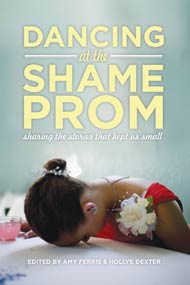
"The Jump Rope Line" by Marcia G. Yerman is included in the Seal Press anthology Dancing at the Shame Prom.
Published at: