The Expressive Edge of Paper
Recently, the New York Times featured an article about the convergence of big dollars and art fairs. It questioned the reality of a collector—of modest means—finding first-rate works.

Recently, the New York Times featured an article about the convergence of big dollars and art fairs. It questioned the reality of a collector—of modest means—finding first-rate works.
“Once you are involved in making art, everything seems secondary.”
It is Radycki’s premise that Modersohn-Becker was a “pioneer and groundbreaker,” one of the key early German modernists—the “missing piece in the history of modernist imagery.”
In this exhibit of artists of Guyanese heritage, almost forty works of photography, painting, welded steel, works on paper, and sculpture provided the foundation for expression that covered a continuum from abstraction to political subtext.
While his father’s side of the family inspired a progressive path for Shaw, his mother was aghast at his choice—at age 26—to travel to New York City to study with Stuart Davis.
Prominently featured in Fatal Promises is actress and activist Emma Thompson. In addition to making powerful public service announcements, Thompson is the co-curator (with Elena, a trafficking survivor), of the interactive art installation Journey. The work puts the viewer directly into the experience of a sexually trafficked woman.
Art movements, like their political siblings, are messy. People don’t agree, groups splinter, and history is up for grabs.
The gathering was billed as “The New York Art World Votes.” My e-vite outlined a forum on why New York artists, curators, critics and dealers believed that Barack Obama was the best choice for...
The co-opting of “minority cultures” and “outsider” groups is an entrenched element of the American pop culture machine.
There is an established art machine that isn’t going to change. But there is plenty of room for artists, operating as individuals or in groups, to strive to make a difference.

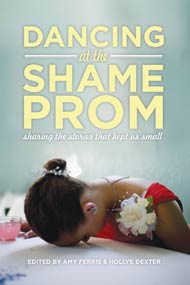
"The Jump Rope Line" by Marcia G. Yerman is included in the Seal Press anthology Dancing at the Shame Prom.
Published at: