Sweet Sweetback’s Baadasssss Song at Von Lintel Gallery: Examines Cultural Issues
The co-opting of “minority cultures” and “outsider” groups is an entrenched element of the American pop culture machine.

The co-opting of “minority cultures” and “outsider” groups is an entrenched element of the American pop culture machine.
There is an established art machine that isn’t going to change. But there is plenty of room for artists, operating as individuals or in groups, to strive to make a difference.
As I watched the series unfold, I realized that the show could be a window for today’s young women, illustrating the conditions that shaped previous generations of feminists, from whom they often feel estranged.
My concern about the future of the women’s movement was put to rest as I listened to the presenters on intergenerational feminism. The motivated, fervent twenty-somethings were impressive. They made it clear that the time had come for the older generation to step aside and pass the baton.
So my thoughts aren’t an examination of statistics, wins or losses, salaries, or who should have been pitching the last game. I’m contemplating the values that we teach our children, the style of leadership we admire, money vs. allegiance, and that old adage, “It’s not whether you win or lose, it’s how you play the game.”
On September 17th, The American Menopause Foundation hosted the 13th Annual Menopause Symposium at The New York Helmsley Hotel. The program focused on sexual health in the second half of life.
The symposium, “The Feminist Future: Theory and Practice in the Visual Arts,” January 26 – 27, proclaimed a new era while dealing with many of the concerns debated among women in other fields. How do you engage different generations in dialogue? Is the term “feminist” obsolete? Amid advances, why do so many feel overlooked?

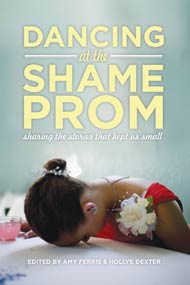
"The Jump Rope Line" by Marcia G. Yerman is included in the Seal Press anthology Dancing at the Shame Prom.
Published at: